

Why tallow?
traditional care of the skin
a deep dive

heartwood, tonka bean, and freshly milled cedar
An artful interpretation of an age-old traditional skincare remedy, our whipped tallow cream is an idyllic application for soothing and restoring health to skin. Gently whipping (without heat) stable, organic fats and butters *only* ensures protection and nourishment in a decadent cream.
4oz
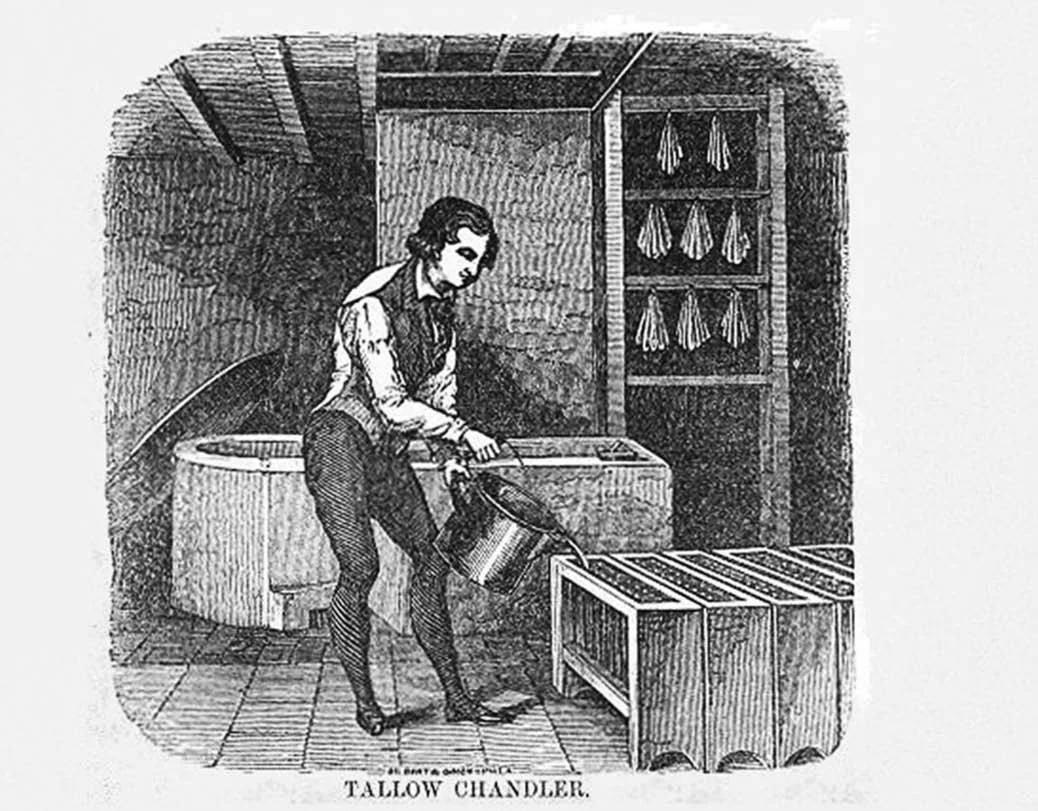
The traditional practice of rendering tallow for cooking, soap making and skincare, conditioning leather and wood, seasoning cast iron and candle making is still a superior use of ruminant animal fat.
The shift away from this tradition to the use of seed oils was largely due to marketing innovations in the Post-World War II industrialization, bringing about the commercialization of what was otherwise known as agricultural waste and industrial byproducts.
During this time, scientific and public health narratives began promoting polyunsaturated vegetable oils over saturated animal fats, influenced by studies and endorsements from large organizations.
Today, seed oils are ubiquitous in processed foods, restaurant meals, and packaged snacks. Their dominance is largely due to cost-effectiveness, scalability, long shelf life, and industrial convenience seedoilfreecertified.com+1.
From a biological perspective we know that lipids of tallow are principally in the form of triglycerides, which is how fatty acids present in the sebum residing on the skin of our bodies and scalp. Sebum is 44 percent saturated, of which 41 percent are in the form of triglycerides which makes tallow a superior choice over seed oils which are polyunsaturated fatty acids and not compatible with the structure of the cell membranes in animals (which we are).
Not only is animal fat more compatible with our bodies and cell function, seed oils are often damaging to our system because of something called: lipid peroxidation. Lipid peroxidation is the oxidative degradation of lipids, primarily affecting polyunsaturated fatty acids (PUFAs) because their double bonds make hydrogen atoms easier to abstract. The extraction method for obtaining most seed oils, or even just exposure to sunlight trigger a chain reaction of free radical development in the fatty acid chain of a pufa due to lipid peroxidation. These free radicals react with various compounds which are biologically active and can damage proteins, DNA, and cell membranes. This process contributes to oxidative stress, cellular dysfunction, and various diseases.
The extraction method for seed oils also strips the lipids of the fat-soluble vitamin composition rendering the oil devoid of its original beneficial properties.
Sourcing a USA raised, kettle rendered (low heat), grassfed beef tallow fortifies the vitamin content of our products, the wellbeing of the animals involved and the small-scale farmer and enhances the overall quality of life for all involved.
I am very excited to share our new recipes, all of which contain saturated or monounsaturated fats that are all processed using low temperatures and are deeply nourishing for our bodies.
Why Our Group Events Surpass Conventional Models

01 / Outcome-Driven Design
Pre-event diagnostics determine baseline competencies, aligning content with identified gaps.

02 / Scalable Framework
Module sequencing flexes to varying time horizons and sector requirements.

03 / Rigorous Quality Assurance
Internal audits examine pedagogical coherence and logistical efficiency.
Boston
〰️
Chicago
〰️
Portland
〰️
San Francisco
〰️
Patagonia
Boston 〰️ Chicago 〰️ Portland 〰️ San Francisco 〰️ Patagonia
Boston
〰️
Chicago
〰️
Portland
〰️
San Francisco
〰️
New York
Boston 〰️ Chicago 〰️ Portland 〰️ San Francisco 〰️ New York
Advance Together: Our Collective Learning Series
Popular
Bestseller
-
We map every activity to clearly defined performance metrics.
Our structure adapts from small task forces to enterprise cohorts without sacrificing depth.
We subject every component to multistage evaluation before, during, and after delivery.
Our proprietary portal centralizes registration, communication, and performance dashboards.
-
Orientation and Goal Setting
We establish shared objectives, outline solutions, and set performance metrics that frame the comprehensive experience ahead.Core Skills Workshop
We implement interactive modules that demonstrate essential techniques, optimize retention, and embed practical competences through guided practice.Strategic Simulation
Teams implement solutions within a controlled scenario, testing decision pathways and measuring impact with immediate feedback.Expert Panel and Q&A
Industry leaders present emerging trends, facilitating critical discourse on future challenges and collaborative opportunities.Project Development Lab
Participants design actionable initiatives, drawing on cumulative insights to craft solutions aligned with organizational mandates. -
Comprehensive Curriculum
Our instructional framework aligns proven methodologies with sector-specific objectives.Facilitator Expertise
Every session is led by certified professionals who demonstrate deep practical knowledge.Premium Materials
Participants receive digital and printed resources designed for ongoing reference.